Apiculture
As pollinators, bees play a role in every aspect of the ecosystem.
They support the growth of trees and other plants, which absorb carbon from the atmosphere and serve as food and shelter for creatures large and small. Bees contribute to complex, interconnected ecosystems that allow a diverse number of different species to co-exist.
Honeybees are responsible for pollinating agricultural crops that make up one-third of our diet, including fruits and vegetables.
Find our more about beekeeping as a career here.
2 day course at Levels 2 & 3
View pricing & NCEA Standards →


Wai Fencing
Kiwis value being able to swim, fish and gather mahingi kai from our rivers and wetlands across the country. For Maori, water is taonga – a treasure.
Excluding livestock from waterways through fencing and tree planting are two of the most important tools to help restore our waterways.
courseS at Levels 2 & 3
View pricing & NCEA Standards →
Predator Control
To achieve New Zealand's predator free aspirations by 2050 we must enlist a team of 5 million New Zealanders to succeed.
Protecting our unique biodiversity and empowering young people to contribute to future generations is the aim of this course. The predator control course teaches the techniques to track, monitor and control vertebrate predators.
2 day course at Levels 2 & 3
View pricing & NCEA Standards →
Watch A COURSE IN ACTION

“What I have learnt from all of this is learning how to work as a community and seeing what we can accomplish together, not just seeing what I can do but seeing what I can get others to do and creating awareness.”

Free Diving
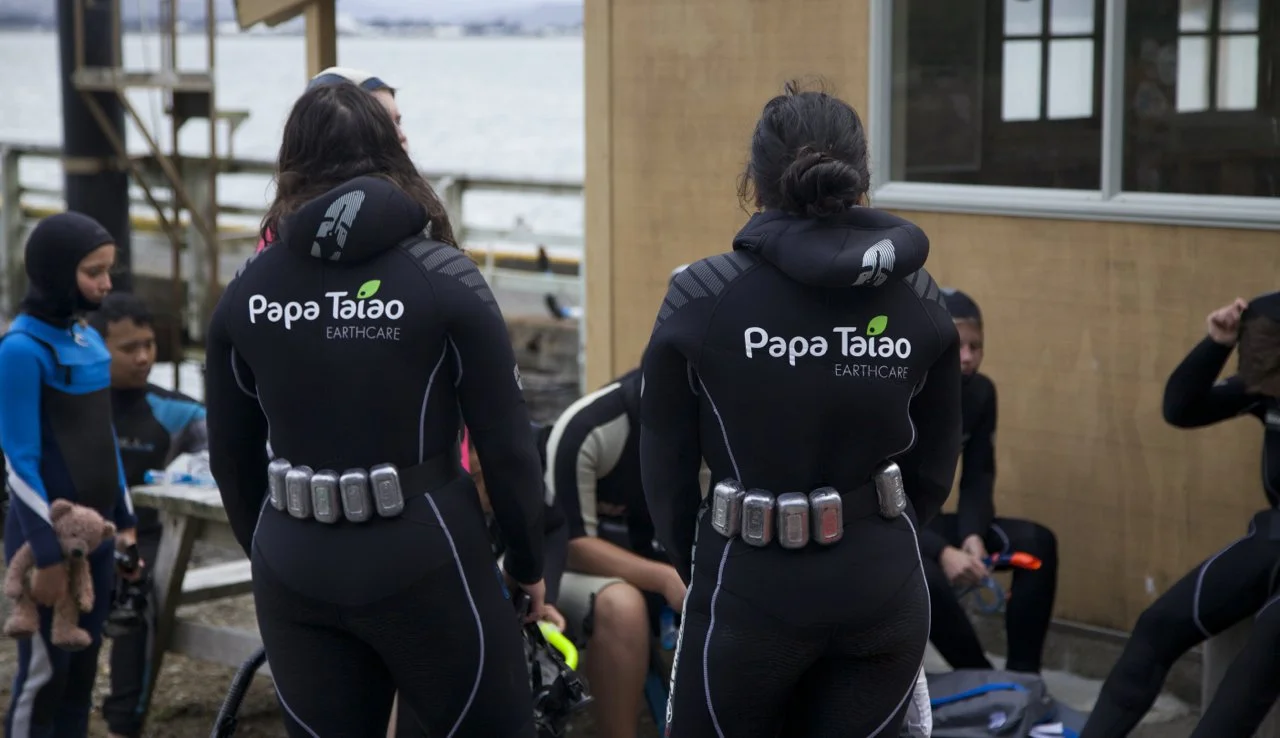
Connecting with the moana and gathering kaimoana are essential parts of growing up on the island of Aotearoa.
In this course, ākonga are not only given the opportunity to freedive in their beautiful local moana. They are taught to focus on the present moment, not anxiety, fear, or adrenaline. Freediving is mindfulness, inward power, discipline and control.
2 day course at Level 2 & 3
View pricing & NCEA Standards →

Field Ranger
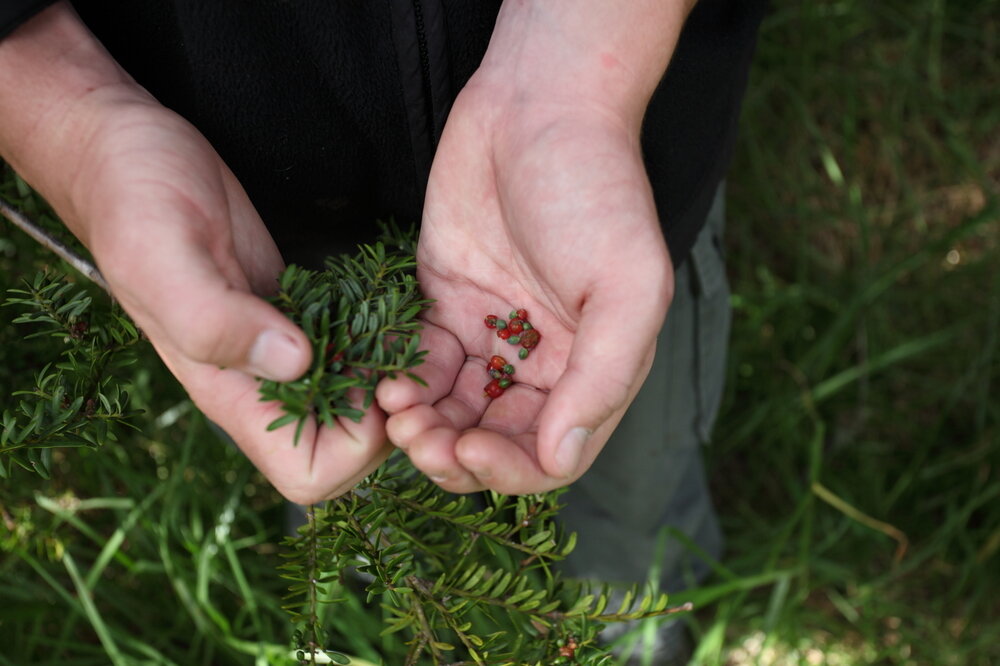
There are 235 native species of plants under threat in Aotearoa; 118 of these are Nationally Critically threatened.
During this course ākonga gain a feel for what it’s like to work in ecological restoration. They will gain industry skills in plant identification, plant pest management and tree planting.
2 day course at Levels 2
View pricing & NCEA Standards →
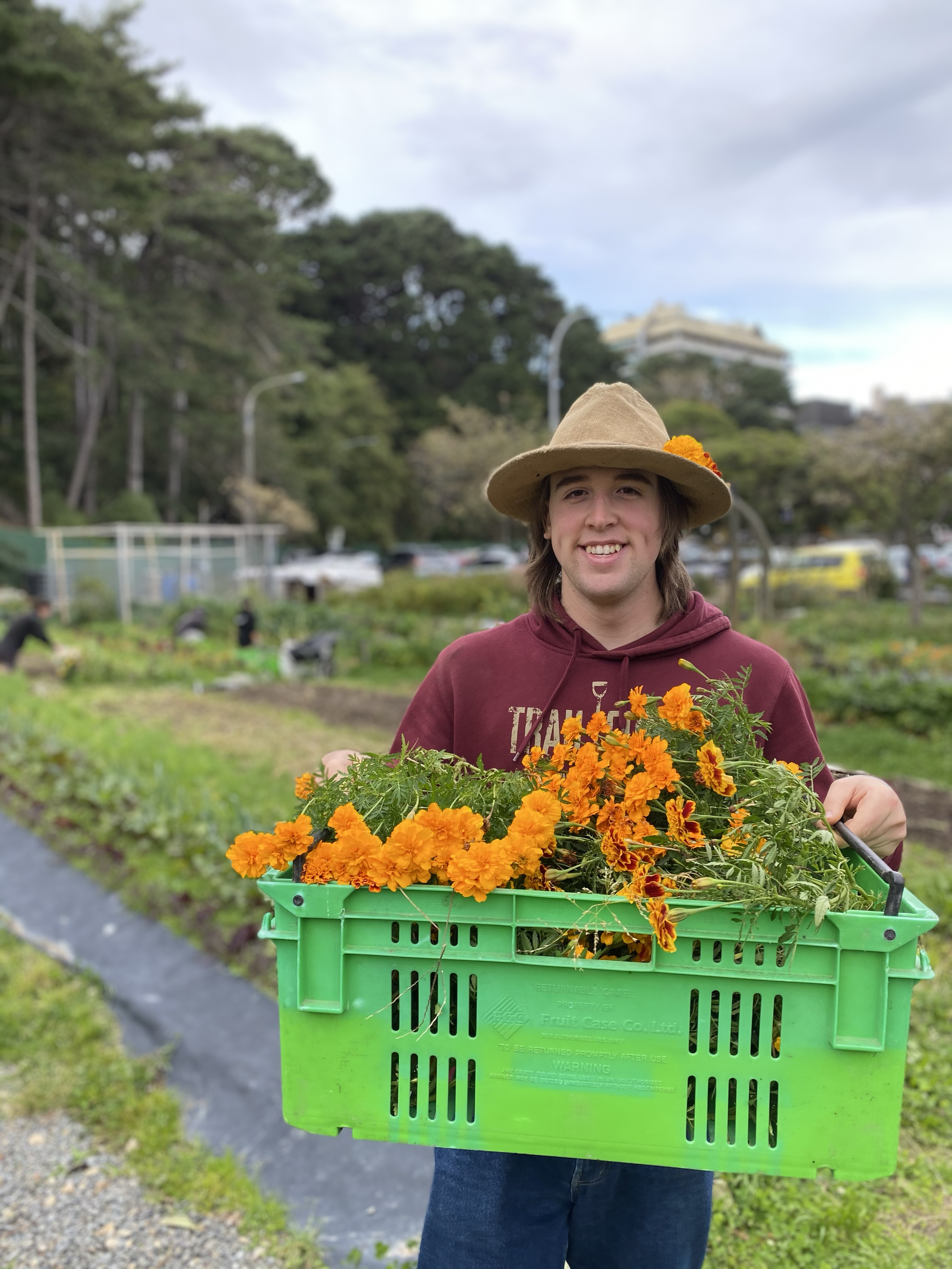
Market Gardening
Collaborative networks of local small scale farms with diversity and ecosystem health can create a more resilient food system.
Food systems are one of the most important and complicated challenges for a regenerative future. In this course ākonga will gain a taste for what it’s like to be involved in Aotearoa’s small scale food production.